
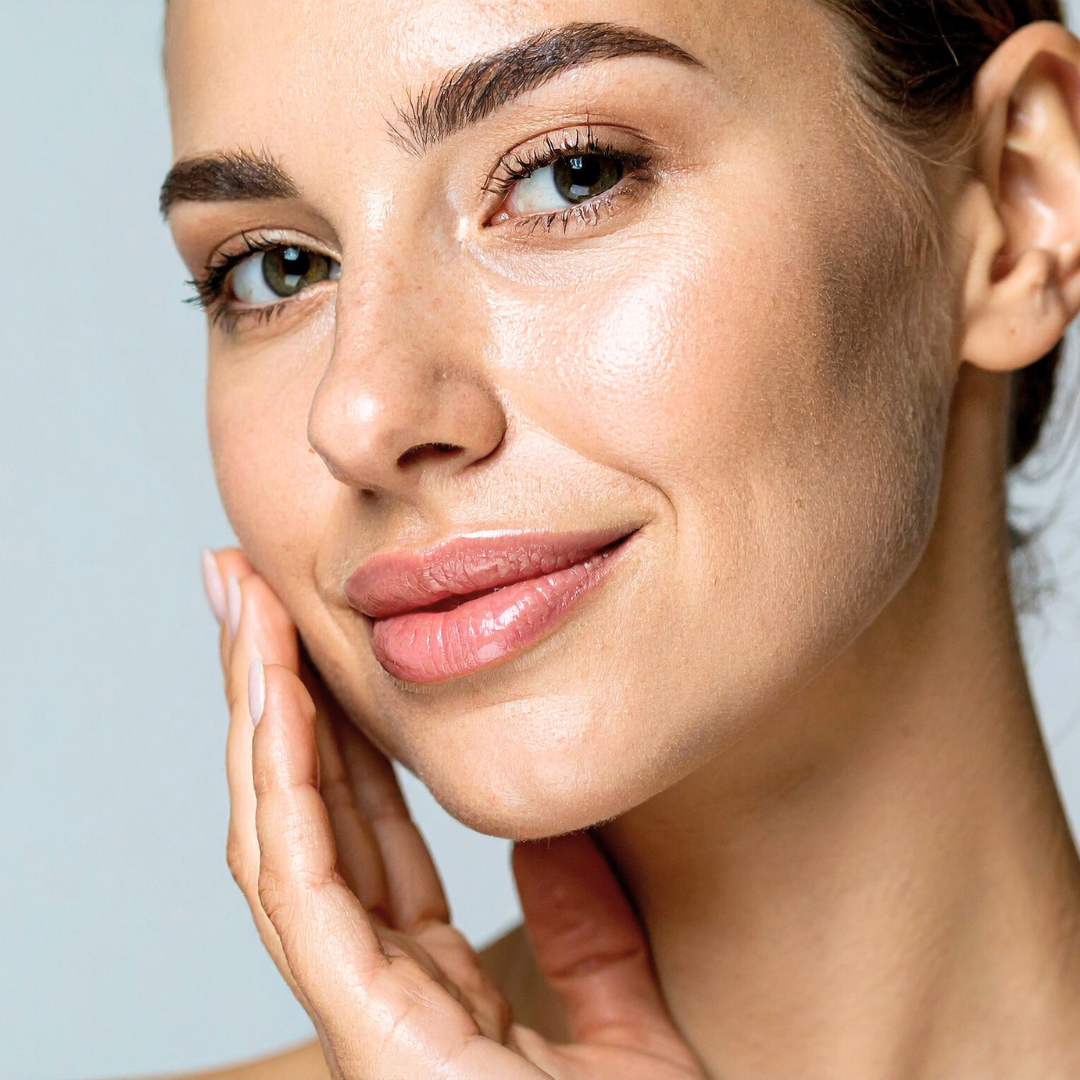
Skin texture changes as we age is something many women begin to notice before they ever think about wrinkles. It often starts subtly, a little less smoothness, pores that seem more visible, makeup that no longer sits the same. Over time, the skin’s surface can feel uneven, look dull, or lose the soft, refined finish that once felt effortless. These changes can feel confusing because they are not always about lines, they are about how the skin reflects light, how it feels to the touch, and how it responds to care.
Understanding what is happening beneath the surface can make these shifts feel less frustrating and much more manageable. When you know why texture changes happen, you can choose treatments that support real, lasting improvement.
Texture Is Different Than Lines
When most people think about aging skin, they think about wrinkles. While lines are a part of the conversation, texture is an entirely different concern. Texture refers to how smooth, even, and refined the surface of your skin appears. It includes pore size, tone consistency, roughness, and how light reflects across the skin.
You can have very few wrinkles and still feel like your skin looks tired or uneven. This is often because texture has changed. Instead of reflecting light evenly, the skin begins to scatter it, creating a dull or slightly rough appearance. This is why someone can look well rested but still feel like their skin does not have the same glow it once did.
Texture is also closely tied to how makeup applies. Foundation may settle into pores, cling to dry areas, or look less natural overall. These are often early signs that the surface quality of the skin has shifted.
What Causes Skin Texture To Change
There are several factors working together beneath the surface that influence skin texture. Collagen production naturally slows over time, which affects the structure and support of the skin. When collagen levels decrease, the skin can lose some of its firmness, which can make pores appear larger and the surface less smooth.
Cell turnover also plays a key role. When you are younger, your skin sheds old cells and replaces them with new ones at a steady pace. As this process slows, dead skin cells can build up on the surface, leading to roughness and a lack of radiance.
Hydration is another important piece. Skin that is not adequately hydrated can look crepey, feel tight, and appear uneven. This is not always about how much water you drink, it is also about how well your skin retains moisture and how strong your skin barrier is.
Sun exposure over time contributes significantly to texture changes. Even small, repeated exposure can lead to uneven tone, rough patches, and a breakdown in the skin’s natural structure. Environmental factors, stress, and hormonal shifts can also influence how your skin behaves, especially during perimenopause and beyond.
Why Glow Is About Surface Quality
When people talk about glowing skin, they are often describing something deeper than brightness. Glow is really about how smooth and even the surface of the skin is. When the surface is refined, light reflects evenly, creating that soft, luminous appearance.
If the surface is uneven, light scatters instead of reflecting. This can make the skin look dull, even if it is well hydrated and free of blemishes. This is why focusing only on hydration or topical products does not always restore that glow. The surface itself needs support.
Improving texture is one of the most effective ways to bring back a natural, healthy look to the skin. It shifts the focus away from chasing individual lines and toward creating an overall smooth, balanced appearance.
Treatments That Support Smoother Skin
While at home care plays a role, professional treatments can make a meaningful difference in improving texture because they work below the surface and encourage the skin to renew itself more effectively.
VI Peel is a medical grade chemical peel that helps remove the buildup of dead skin cells while stimulating new cell growth. This treatment can improve tone, reduce the appearance of pores, and create a smoother overall surface. It is especially helpful for addressing dullness and uneven texture that does not respond to basic exfoliation.
Diamond Glow is a treatment that combines exfoliation, extraction, and infusion in one process. It gently removes debris from the surface while delivering targeted serums into the skin. This can leave the skin feeling immediately smoother and more refreshed, making it a great option for maintaining texture between more intensive treatments.
Microneedling works differently by creating controlled micro channels in the skin. This process encourages the body to produce more collagen, which helps improve the structure and firmness of the skin over time. As collagen levels increase, the surface becomes more refined, pores appear smaller, and the skin feels more even.
Each of these treatments supports the skin in a different way, but they all share the goal of improving how the surface looks and feels. When used together in a plan, they can create gradual, natural looking improvements that build over time.
How To Approach Texture Changes With Intention
When addressing texture, consistency matters more than intensity. It can be tempting to look for a single treatment that solves everything, but skin responds best to a steady, supportive approach.
A personalized plan often includes a combination of treatments spaced appropriately, along with at home care that supports the skin between visits. This might include gentle exfoliation, hydration focused products, and sun protection to maintain results.
It is also important to consider what your skin is experiencing overall. Hormonal changes, stress, and lifestyle habits can all influence how your skin behaves. Looking at the bigger picture allows for a more complete approach that supports not just the surface, but the underlying factors as well.
Texture changes are not something to fight against, they are something to understand and work with. With the right support, the skin can become smoother, more even, and more reflective again, even as it continues to mature.
As you begin to notice changes, it can be helpful to have guidance on where to start and how to build a plan that fits your skin and your goals. Schedule a consultation to explore treatment options and create a personalized approach that supports smoother, more radiant skin over time.




Be the first to comment