
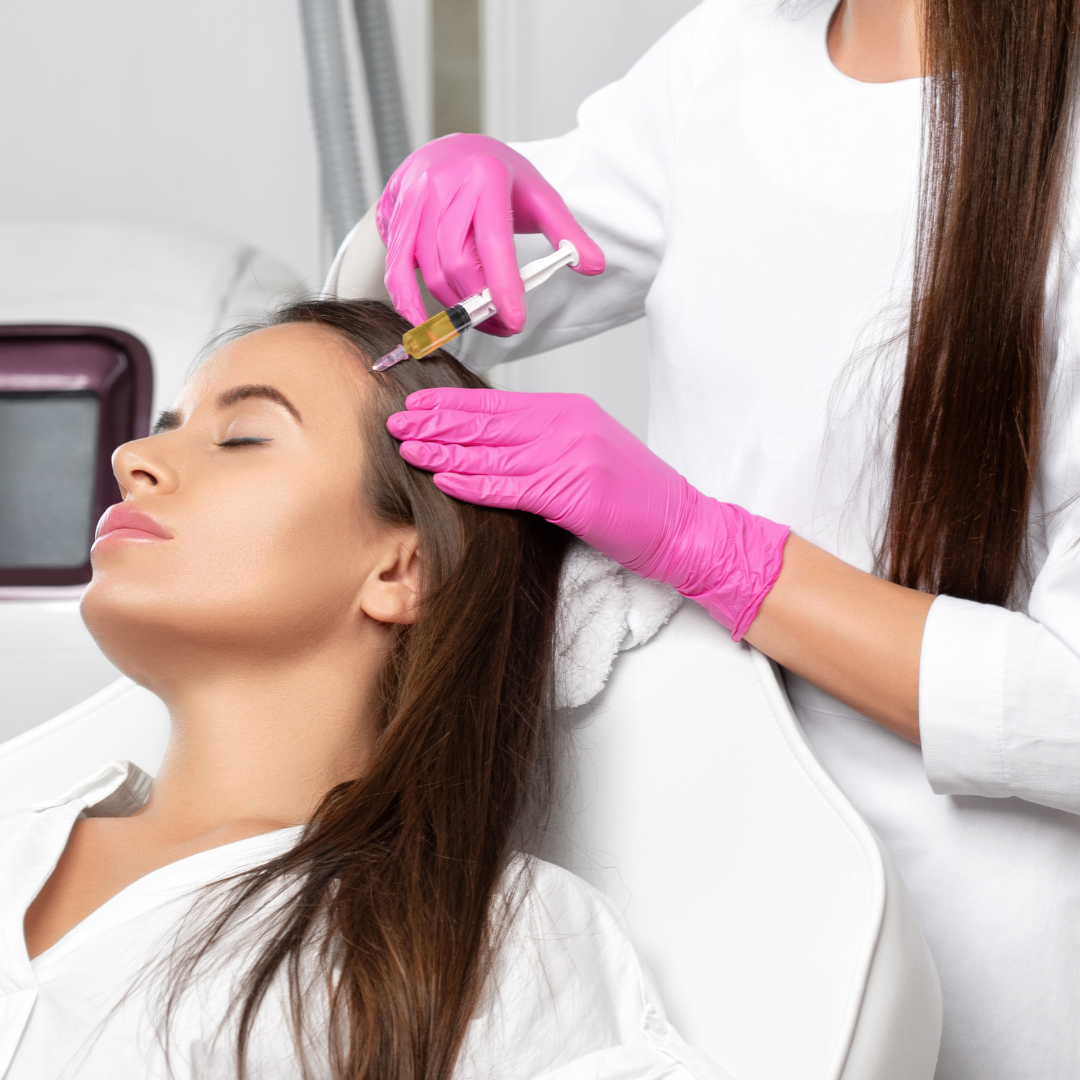
PRP for skin and hair has become one of the most requested regenerative treatments in aesthetic and wellness medicine. Many patients are drawn to the idea of using their own biology to support healing, improve texture, and encourage hair growth. It sounds simple, and in many ways it is, but expectations matter. Understanding what PRP can and cannot do is the key to being satisfied with your results.
Platelet rich plasma, commonly called PRP, is created from a small sample of your own blood. The blood is spun in a centrifuge to separate out platelets and growth factors. That concentrated plasma is then injected or applied to targeted areas of the skin or scalp. Because it uses your own cells, the treatment is considered very natural, and for the right person it can be a powerful tool for regeneration.
Before moving forward, it is important to talk honestly about realistic outcomes, who benefits most, and where PRP fits into a long term skin or hair plan.
HOW PRP WORKS IN THE BODY
PRP works by stimulating the body’s own repair mechanisms. Platelets contain growth factors that signal tissue to heal and rebuild. When injected into the skin, PRP encourages collagen production and supports improved texture over time. When injected into the scalp, it increases blood flow around hair follicles and helps strengthen existing strands.
It is not a filler. It does not add volume in the way that hyaluronic acid products do. Instead, it supports gradual improvement in skin tone, fine lines, and overall quality. In hair restoration, it does not create brand new follicles in areas that have been bald for many years, but it can help revive weakened follicles that are still present.
This distinction matters. PRP supports regeneration; it does not replace tissue, stretch skin, or create instant dramatic change. Results tend to build over several weeks to months as collagen remodels and hair cycles through its natural phases.
Because the treatment relies on your own biology, response varies from person to person. Age, overall health, hormone balance, and lifestyle all influence how well you respond. Patients who understand this tend to appreciate the gradual improvements rather than expecting overnight transformation.
REALISTIC OUTCOMES FOR SKIN
When used for facial rejuvenation, PRP is often chosen by patients who want subtle refinement and healthier looking skin. Over time, many notice smoother texture, softer fine lines, and improved tone. Skin may look more refreshed and resilient.
PRP can be used alone through targeted injections, or combined with microneedling to enhance absorption and stimulate collagen from multiple angles. In either case, most treatment plans include a series of sessions spaced several weeks apart. One treatment can help, but a series produces more consistent change.
It is important to understand what PRP cannot do. It will not tighten significantly loose skin. It will not replace surgical lifting procedures. It will not erase deep wrinkles or significant volume loss. If someone is looking for dramatic structural change, PRP alone will likely feel underwhelming.
However, for patients in their thirties, forties, and fifties who are beginning to notice changes in texture, early lines, or dullness, PRP can be a valuable addition to a preventive and regenerative strategy. It supports the body rather than forcing it, which appeals to many people who prefer a more natural approach.
Healing time is usually mild. You may see redness or swelling for a day or two. Bruising can occur at injection sites. Most people return to normal activities quickly. Improvements become noticeable gradually over several weeks as collagen production increases.
REALISTIC OUTCOMES FOR HAIR
Hair thinning can feel emotional and frustrating. For many women and men, it begins subtly, with increased shedding, a widening part, or decreased density around the temples or crown. PRP for skin and hair is frequently requested for scalp treatment because it offers a non surgical option that works with the body’s natural repair systems.
PRP works best when hair follicles are still alive but weakened. In early to moderate thinning, growth factors can improve blood supply and strengthen existing follicles. Patients often notice reduced shedding first, followed by thicker appearing strands over several months.
What PRP cannot do is restore hair to areas that have been completely bald for years. Once follicles are no longer present, regeneration is limited. In these cases, other treatments such as hair transplantation may be more appropriate.
A typical protocol includes three initial sessions spaced about four weeks apart, followed by maintenance treatments every six to twelve months. Because hair grows in cycles, patience is important. Improvements are gradual and continue to develop over several months.
Hormonal balance also plays a role. In women experiencing perimenopause or menopause, declining estrogen and testosterone levels can contribute to thinning. Addressing underlying hormone shifts alongside PRP may improve overall outcomes. A comprehensive evaluation helps determine the best plan.
WHO BENEFITS MOST FROM PRP
The best candidates for PRP are individuals seeking gradual improvement and willing to commit to a series of treatments. For skin, this often includes patients noticing early aging changes who want to support collagen naturally. For hair, it includes those with thinning rather than complete baldness.
Healthy individuals with stable medical conditions typically respond better. Smoking, unmanaged autoimmune disease, and certain medications can affect healing response. During a consultation, a provider reviews your health history to determine suitability.
PRP is also appealing to patients who prefer treatments using their own biological material rather than synthetic products. Because the plasma comes from your own blood, the risk of allergic reaction is very low. That said, the treatment still requires proper medical technique and sterile handling.
Another important factor is expectation. Patients who understand that PRP enhances the body’s regenerative process tend to be the most satisfied. Those seeking immediate dramatic change may need a different approach or combination therapy.
HEALING AND LONG-TERM REGENERATION
One of the most encouraging aspects of PRP is its focus on regeneration rather than camouflage. Instead of filling or covering concerns, it supports tissue repair from within. Over time, this can lead to stronger skin structure and improved scalp health.
Collagen production continues for months after treatment. Hair follicles may respond more slowly, but strengthening can become more noticeable with each session. Maintenance treatments help sustain these improvements.
Lifestyle choices support results. Adequate protein intake, hydration, stress management, and hormone balance all contribute to tissue health. PRP is not a standalone solution for every concern, but it can be a meaningful part of a broader wellness strategy.
It is also worth noting that combination treatments can enhance results. For skin, pairing PRP with microneedling or certain energy based procedures may increase collagen stimulation. For hair, combining PRP with targeted medical therapy or hormone support may improve density. These plans are personalized based on your goals.
PRP for skin and hair continues to grow in popularity because it bridges the gap between medical treatment and natural healing. It does not promise perfection. It offers support, regeneration, and gradual refinement.
If you are curious about whether PRP is right for your skin or hair concerns, the next step is a comprehensive consultation. During your visit, we will assess your goals, review your health history, and create a plan designed for realistic, meaningful results. Schedule your PRP consultation today and take the first step toward supporting your skin and hair from within.




Be the first to comment