
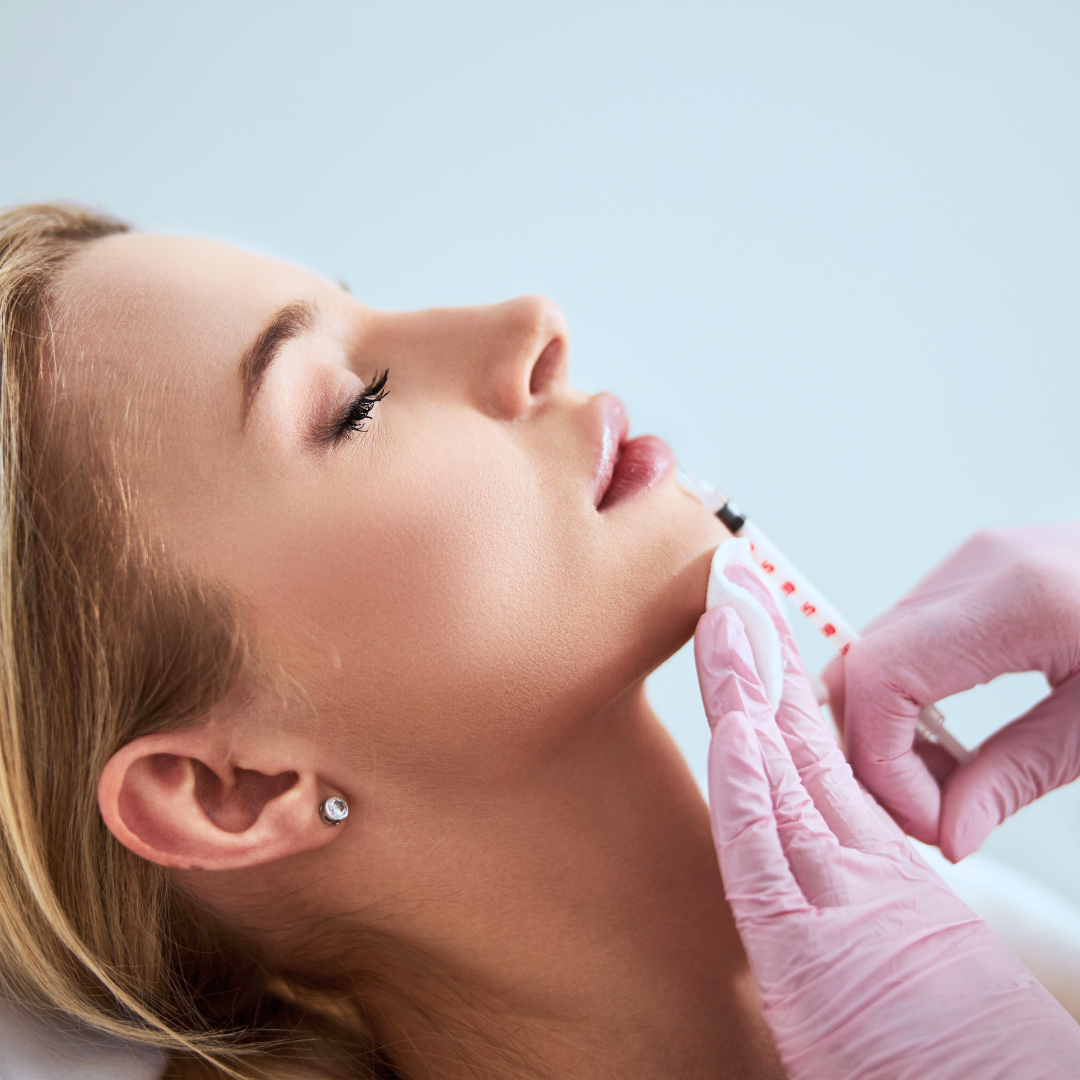
Deciding how to know when it’s time for injectables isn’t always as straightforward as noticing a wrinkle or comparing your skin to someone else’s. For many women, the decision happens gradually, shaped by small changes in the mirror, shifting preferences, and a desire to feel more like themselves again. It is rarely driven by wanting perfection; most women simply reach a point where subtle support can make a meaningful difference in how they look and feel.
The conversation around injectables has evolved. What once felt like a dramatic step is now often part of a long term approach to skin and facial balance. Understanding the difference between early signs, preventative care, and corrective treatments can help you feel more confident in deciding when the timing is right for you.
Recognizing The Early Signs Of Change
One of the first indicators that someone may begin considering injectables is not a single deep line, but a shift in how the skin behaves. Makeup may settle differently, fine lines may linger longer after facial expressions, and the skin may not appear as smooth as it once did.
Dynamic lines, which form with movement, are often the earliest sign. These can appear across the forehead, between the brows, or around the eyes. At first, they fade quickly when your face is at rest. Over time, they may begin to linger, becoming more noticeable even when your expression is neutral.
Another early change involves volume. You may notice that the cheeks feel slightly less full, or that areas around the mouth begin to soften or flatten. These changes can subtly affect the overall shape of the face, even if they are not immediately obvious.
Skin texture also plays a role. When the surface of the skin looks less smooth or pores appear more visible, it can contribute to a less refined appearance. While skincare and treatments like facials or resurfacing can support texture, injectables can address deeper structural changes that skincare alone cannot reach.
These early signs are not about age, they are about awareness. Some people notice them in their late twenties, others much later. The timing is personal, and it is less about a number and more about what you see and feel.
Preventative Versus Corrective Treatments
A common question is whether injectables should be used before lines become deeply set, or if it is better to wait until changes are more pronounced. The answer often depends on your goals and how you want your results to look over time.
Preventative treatments focus on softening muscle movement before lines become etched into the skin. For example, Botox can gently reduce the intensity of repeated expressions, helping to keep dynamic lines from becoming static lines. This approach is subtle and gradual, often requiring smaller amounts of product and less frequent correction later.
Corrective treatments, on the other hand, address changes that have already become more visible. Deeper lines, volume loss, and structural shifts may require a combination of treatments. Dermal fillers like Juvederm can restore volume in areas such as the cheeks or lips, while Radiesse can support structure and stimulate collagen over time.
Neither approach is better than the other. Preventative care can help maintain a smoother appearance with less intervention over time, while corrective treatments can create noticeable improvement when changes are already present. Many people move between both approaches as their needs evolve.
The key is understanding that injectables are not a one time decision. They are part of an ongoing relationship with your skin, one that can be adjusted as your goals and preferences change.
What Being Ready Really Means
Feeling ready for injectables is often less about what you see in the mirror and more about how you feel about those changes. Some people are unbothered by lines or volume loss, while others feel that even subtle changes affect their confidence.
Being ready often includes a sense of curiosity paired with intention. You may find yourself researching treatments, asking questions, or noticing small details in photos of yourself. You might be looking for a way to look more rested, more refreshed, or simply more like yourself.
It is also important to feel comfortable with the idea of subtle enhancement. Modern injectable treatments are designed to support your natural features, not change them. The goal is not to look different, but to look like a more refreshed version of yourself.
Timing also involves practical considerations. You should feel prepared to maintain results over time, understand the investment involved, and choose a provider you trust. A well planned approach focuses on gradual improvement rather than dramatic change.
There is no perfect moment, but there is a point where the idea feels less uncertain and more like a natural next step. That shift often signals that you are ready to explore your options.
Understanding Your Treatment Options
When considering how to know when it’s time for injectables, it helps to understand what each treatment is designed to do and how they work together.
Botox is often the starting point for many people. It targets muscle movement, helping to soften dynamic lines in areas like the forehead, between the brows, and around the eyes. Results develop gradually and typically last several months, making it a flexible option for those who want to begin conservatively.
Juvederm is a hyaluronic acid filler that restores volume and enhances facial contours. It is commonly used in the cheeks, lips, and around the mouth. Because it adds structure, it can create immediate improvement in areas that appear hollow or less defined.
Radiesse works differently, offering both immediate volume and long term support by stimulating collagen production. It is often used in areas that benefit from added structure, such as the lower face or jawline. Over time, it helps the skin maintain a firmer, more supported appearance.
These treatments are often used together to create balanced results. For example, softening muscle movement with Botox can complement the volume restored with Juvederm, while Radiesse can support long term skin structure.
A personalized plan takes into account your facial anatomy, your goals, and how subtle or noticeable you want your results to be. This is where working with an experienced provider becomes essential.
Creating A Natural And Personalized Approach
The most successful injectable treatments are the ones that no one notices. Friends may comment that you look well rested or refreshed, without being able to identify exactly what has changed.
Achieving this level of subtlety requires a personalized approach. Your face is unique, and your treatment plan should reflect that. Factors such as facial symmetry, skin quality, and natural expression patterns all influence the outcome.
It is also important to consider how treatments evolve over time. Starting with small, conservative adjustments allows you to build results gradually. This approach not only looks more natural, but also gives you the flexibility to adjust as your preferences change.
Communication plays a key role. Being clear about your goals, your concerns, and how you want to look helps guide the treatment process. A skilled provider will listen carefully, assess your features, and recommend a plan that supports your natural appearance.
Confidence comes from feeling like yourself. When injectables are done well, they enhance what is already there, creating a result that feels comfortable and authentic.
In the end, understanding how to know when it’s time for injectables comes down to awareness, intention, and trust. It is about recognizing subtle changes, exploring your options, and choosing a path that feels right for you.
If you have been considering injectables and want guidance on what makes sense for your features and your goals, scheduling a consultation is the best place to start. A personalized plan can help you move forward with confidence, knowing that your approach is designed specifically for you.



Be the first to comment