
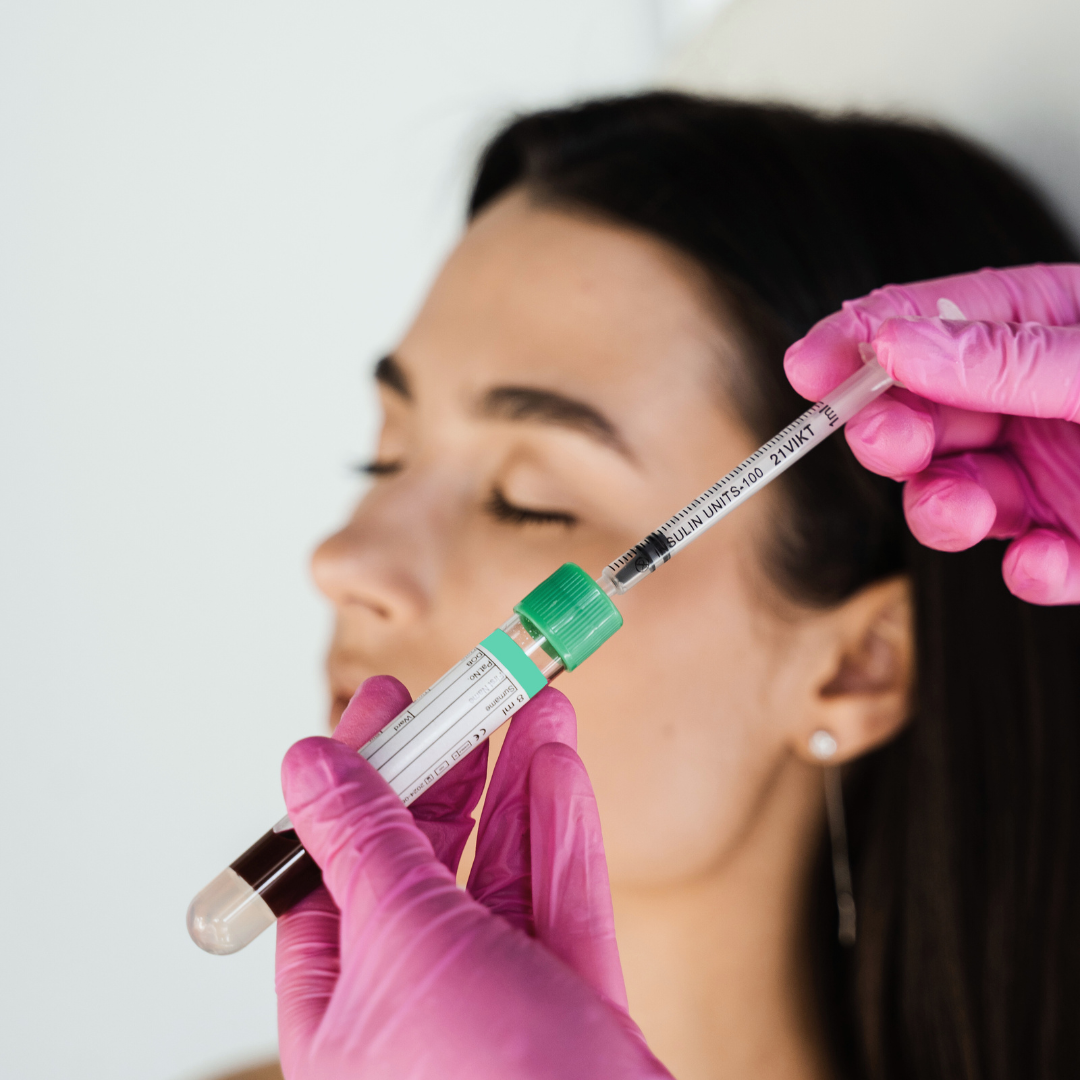
If you have been searching for a gentler approach to refreshing the delicate area beneath your eyes, you may have come across PRP for under eyes. This natural treatment has gained significant attention for its ability to soften dark circles, smooth fine lines, and support the overall appearance of tired under eyes. Many people appreciate that it uses their own blood components, creating a treatment that feels clean, safe, and supportive for long-term skin health. In this guide, we will walk through what PRP is, how it works, the specific concerns it can address beneath the eyes, and why some choose this treatment instead of fillers.
Understanding PRP and How It Works
PRP stands for platelet rich plasma, a concentrated portion of your blood that contains powerful growth factors. These growth factors are naturally present in your body and play an important role in healing, cellular repair, and tissue rejuvenation. When used in aesthetic treatments, PRP offers a way to support collagen and stimulate more refreshed looking skin using your own biology.
The process begins with a simple blood draw. The blood is placed into a device that spins it at a high speed, separating the plasma from red and white blood cells. What remains is a golden colored serum rich in platelets. This serum contains signaling molecules that your body naturally uses to repair tissues, support fibroblasts, and encourage new collagen formation.
Once prepared, the PRP is injected or gently placed beneath the eyes. The goal is not to create instant volume, but to support the skin’s own regenerative processes. Over time, the under eye area may appear smoother, brighter, and more refreshed as collagen strengthens and the tissue becomes healthier.
This approach appeals to people who prefer a treatment that works with their natural biology. PRP does not introduce synthetic materials into the skin, and your body recognizes it as its own. Because of this, the risk of reaction is lower than many other injectable treatments, which is especially appealing when treating a delicate area like the under eyes.
What PRP Can Treat Under the Eyes
The under eye area shows signs of aging more quickly than many other parts of the face. The skin is thinner, the tissue is more fragile, and the area is more likely to show changes in collagen or hydration. PRP is often chosen for the following concerns:
Dark circles from thinning skin. Dark circles can appear for many reasons, but thinning skin is one of the most common. As collagen breaks down with age, blood vessels beneath the surface become more noticeable, creating a shadowed or tired appearance. PRP can help strengthen the skin over time, improving brightness as the tissue becomes more resilient.
Fine lines and texture. Fine lines beneath the eyes often begin as small creases that become more pronounced over time. PRP delivers growth factors that stimulate collagen, encouraging smoother skin with improved texture and elasticity. While the changes are gradual, many people appreciate the natural looking improvement.
Crepey skin. Under eye skin can develop a thin, crinkled look due to collagen loss, sun exposure, and natural aging. PRP helps by signaling the body to repair and restore this delicate area. Over a series of treatments, the tissue may appear firmer and more supported.
Mild hollowness. Hollowness beneath the eyes can create shadows that make someone look more tired than they feel. PRP is not designed to add dramatic volume, but it can help improve the appearance of mild hollows by supporting healthier tissue and collagen.
Overall tired appearance. PRP offers a gentle, gradual approach to improving brightness and smoothness. For people who want their under eyes to look more awake without adding volume or making dramatic changes, PRP can be a refreshing alternative.
Why Some Choose PRP Instead of Fillers
Fillers are a popular choice for under eye hollowness, but they are not the right fit for everyone. PRP offers a different approach, and many people choose it for personal preference, comfort, or the type of result they want.
A natural approach. Because PRP comes from your own blood, it appeals to people who prefer treatments that feel natural. They like the idea of supporting their own collagen rather than adding external volume. This creates a more subtle, gradual enhancement that blends with the person’s natural features.
Reduced risk of puffiness. Fillers beneath the eyes can sometimes attract water, leading to long term puffiness or swelling. This occurs more commonly in people who have thinner skin or a tendency to retain fluid. PRP avoids this issue entirely because it does not hold water. Instead of adding volume, it encourages the tissue to strengthen from within.
A softer, more gradual outcome. Some people are hesitant to use fillers because they do not want a dramatic or instantly noticeable difference. PRP works slowly as the body produces more collagen, creating a softer and more natural looking improvement. This appeals to those who want their results to feel subtle and organic.
Better for texture concerns. Fillers help with volume, but they do not address skin quality. If someone’s primary concern is crepey or textured skin, PRP may be a more suitable option. It focuses on strengthening and smoothing the tissue rather than filling space.
A thoughtful option for long term skin health. PRP is often chosen by people who prioritize skin health over quick correction. They like that the treatment supports collagen and cellular repair, which may help maintain stronger skin structure over time.
What to Expect During and After Treatment
The PRP process is relatively simple and does not require lengthy downtime. To begin, a small amount of blood is drawn from your arm. This is similar to a routine lab draw and takes only a few minutes. The blood is then processed to separate the platelet-rich plasma.
Once the PRP is ready, the area beneath the eyes is cleansed, and a topical numbing cream may be applied for comfort. The PRP is then injected or placed into the under eye area using fine needles or cannulas. Most people describe the sensation as mild pressure or a quick pinch.
After the treatment, the skin may appear slightly pink or puffy, but this typically softens within a day or two. Because the treatment uses your own plasma, the chance of reaction is low.
Results develop gradually. Many people notice improvements in brightness and texture within a few weeks, with more significant changes occurring after several sessions. A typical series may include two to four treatments spaced several weeks apart, depending on your goals and the condition of your under eye skin.
Is PRP the Right Choice for You
If you want a treatment that feels gentle and natural, PRP may be a good fit. It works well for people who have early signs of aging beneath the eyes, mild hollows, crepey skin, or dark circles from thinning tissue. It also appeals to those who want to avoid the risks of puffiness sometimes associated with fillers.
PRP may be especially helpful if you prefer gradual changes and a treatment that supports the long term health of your skin. If your concerns are more related to pronounced hollowness, fillers may still be a better option. Many people choose to combine both treatments for a balanced approach, using fillers for structure and PRP for skin quality.
A consultation is the best way to determine which treatment will provide the results you are hoping for. Your provider can assess your skin, discuss your goals, and help tailor a plan that feels right for you.
If your under eyes feel tired, shadowed, or textured, PRP offers a gentle and natural approach to refreshing this delicate area. Its ability to support collagen, brighten the skin, and rejuvenate the tissue makes it a thoughtful choice for people who want subtle, authentic looking results. If you would like to explore how PRP can support your goals, schedule an appointment today and begin your journey toward smoother, brighter under eyes with a treatment designed to work with your own biology.




Be the first to comment