
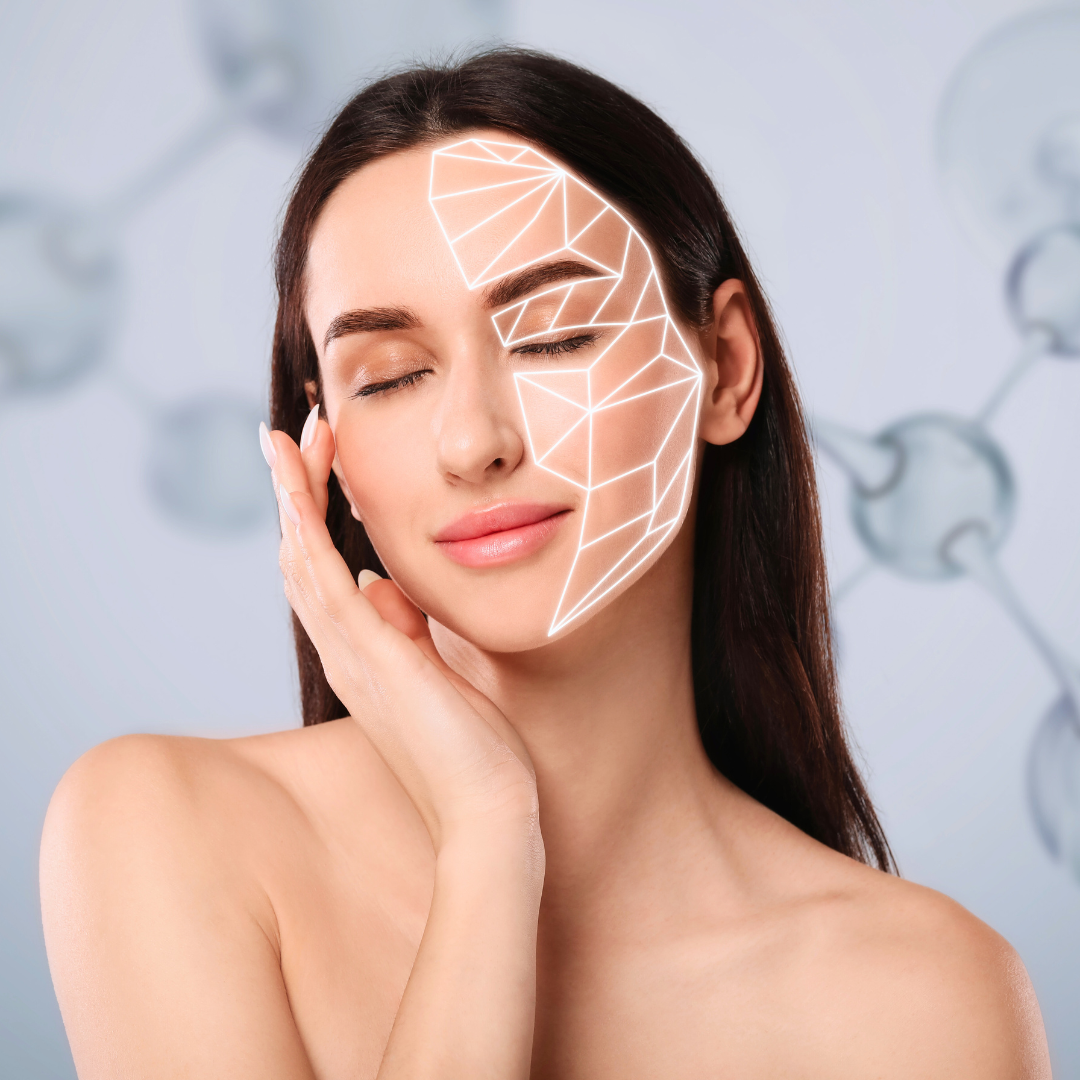
Collagen loss is one of those things most people do not think about until changes start showing up in the mirror. It often gets lumped into conversations about aging later in life, but the truth is collagen loss starts earlier than many people realize. Long before fine lines feel obvious or skin looks different, subtle shifts are already happening beneath the surface.
Collagen is what gives skin its strength and structure. It acts like an internal support system that keeps everything firm, smooth, and resilient. Along with elastin and other connective tissues, collagen helps skin stretch, move, and settle back into place. This is what gives younger skin that naturally supported look, even without makeup or treatments.
Your body produces collagen through specialized cells called fibroblasts. These cells are constantly working behind the scenes, repairing damage and building new collagen fibers as needed. When this process runs smoothly, skin recovers quickly from daily stress like sun exposure, facial movement, and environmental wear.
Over time, this production naturally slows down. At the same time, existing collagen begins to break down faster than it can be replaced. This does not happen suddenly, and it does not wait for a certain birthday. It often begins quietly in early adulthood, which is why understanding collagen sooner rather than later can make such a difference.
What Happens When Collagen Declines
As collagen levels begin to drop, the skin slowly loses some of its internal support. One of the first things people notice is that their skin does not feel quite the same. It may seem softer, thinner, or less springy when touched. Fine lines can appear earlier than expected, especially around the eyes and mouth, where facial movement is constant.
Volume changes are another common sign. Collagen helps hold facial fat and tissue in place, so when it weakens, areas like the cheeks and under eyes can start to look more hollow. This can happen even when weight stays stable, and skincare routines remain consistent. These changes come from beneath the surface, not from anything happening on top of the skin.
Skin can also become more sensitive as collagen declines. With less internal support, it does not bounce back as easily from irritation or inflammation. Redness may linger longer, healing may slow, and the skin can feel more reactive overall. These shifts often feel confusing because they happen gradually, without a clear cause.
When collagen loss continues over time, those early changes add up. Fine lines deepen, contours soften, and the skin no longer has the same firmness it once did. Paying attention to these early signs opens the door to supporting the skin in a way that feels proactive rather than reactive.
Why Skin Thins With Age
Skin thinning is something many people notice but do not fully understand. It is not just a surface issue. Thinning happens because the deeper layers of the skin are losing density as collagen production slows. When there is less collagen beneath the surface, the skin simply has less to rest on.
Hormonal changes also play a role. Estrogen helps support collagen production and skin thickness, so shifts in hormone levels over time naturally affect how the skin behaves. Reduced circulation and slower cell turnover add to this process, making skin more fragile and slower to recover from everyday stress.
Environmental exposure contributes as well. Years of sun exposure, pollution, and lifestyle stress all break down collagen little by little. These effects accumulate quietly, which is why skin thinning can feel sudden even though it has been building for years.
As skin becomes thinner, features can start to look less defined. Shadows appear more easily, volume looks reduced, and the face may lose some of its natural structure. Addressing skin thinning means looking beyond surface treatments and focusing on ways to support the skin from within.
Why Topical Products Are Not Enough
Skincare products absolutely matter, but they can only do so much when it comes to collagen. Most topical products are designed to work on the outer layers of the skin. They help with hydration, texture, and overall skin comfort, which is important, but they cannot reach the deeper layers where collagen is made.
Many products marketed as collagen support products work by protecting existing collagen or helping the skin look smoother on the surface. While this can improve how the skin looks day to day, it does not replace collagen that has already been lost or significantly stimulate new production on its own.
This is why people often feel disappointed when they invest in high quality skincare but still notice volume loss or thinning. It is not because the products are ineffective. It is because collagen production requires deeper stimulation than topical products can provide.
The most effective approach combines good skincare with treatments that activate the skin’s natural repair process deeper within the tissue. When surface care and internal stimulation work together, results feel more balanced and sustainable.
Treatments That Support Collagen From Within
Today’s aesthetic treatments offer ways to encourage collagen production by working with the skin’s natural healing response. Microneedling creates tiny, controlled micro injuries that signal the skin to repair itself. As part of that repair process, new collagen is produced, leading to improvements in texture and firmness over time.
PRP enhances this process by using growth factors from your own blood. These growth factors help guide healing and encourage stronger collagen production. When paired with microneedling or used in targeted areas, PRP supports communication between skin cells and improves overall skin quality.
Radiesse provides both immediate support and longer term benefits. It acts as a framework beneath the skin that encourages your body to build collagen around it. Over time, this leads to improved firmness and contour without relying solely on added volume.
EZ Gel Plasma Filler is a newer option for patients looking for natural looking support. It is created from platelet rich fibrin derived from your own blood and formed into a smooth gel. EZ Gel helps restore volume while encouraging collagen production, making it especially helpful for delicate areas like under the eyes. Because it comes from your own body, it offers a gentle and biocompatible approach to facial rejuvenation.
Each of these treatments supports collagen in a different way. When combined thoughtfully, they can be part of a collagen building treatment plan that addresses skin quality, structure, and long-term support rather than focusing on quick fixes.
Collagen changes happen gradually, but how your skin responds over time depends on how early and thoughtfully it is supported. Paying attention to early shifts in texture, firmness, and volume allows for care that works with your skin instead of chasing changes later. If you are noticing signs of collagen loss or skin thinning, a personalized collagen building treatment plan can help support your skin now and in the years ahead. Schedule an appointment to talk through your options and create a plan that feels natural, supportive, and tailored to you.




Be the first to comment